How many handwashing stations do I need on a job site?
Start with your crew count and your restroom count, then match one to the other. OSHA 1926.51(c) sets toilet ratios by headcount, and most Cheyenne contractors run a handwashing station alongside each cluster of standard porta potty rental units rather than spacing them separately. A crew of 20 or fewer needs one toilet facility under that rule, and a matching handwash unit keeps foremen from fielding complaints. If your trade involves paint, coatings, herbicides or insecticides, 1926.51(f)(1) kicks in specifically for those tasks, and that is a separate trigger from general sanitation. Agricultural operations follow a different standard: OSHA 1928.110 calls for one facility per 20 hand-labor employees, reachable within a quarter mile walk, which matters for farm and agricultural restrooms work around Cheyenne and out toward Hillsdale, 21.9 miles east. For a fuller breakdown of ratios, see OSHA portable toilet requirements or run your headcount through how many porta potties do I need. Cheyenne Porta Pros sets units so a portable sink rental sits within a short walk of every crew zone, not tucked behind equipment.
What has to be on a handwashing station to meet code?
Soap and towels or a hand-drying device, full stop. 29 CFR 1910.141(d)(2) is specific on this point: hand sanitizer alone does not satisfy the requirement, even though a hand sanitizer station rental is a fine supplement on a busy site. A compliant unit also needs potable water, which OSHA 1926.51(a)(1) requires at every place of employment. Most handwashing station rental units from Cheyenne Porta Pros carry a built-in fresh water reservoir plus a wastewater tank, foot-pump or hands-free operation, and a soap dispenser stocked at delivery. If your site also runs ADA accessible porta potty units, note that ADA Standards section 308.2.1 caps forward reach at 48 inches high and 15 inches low, and section 309.4 requires operable parts usable with one hand and no more than 5 pounds of force, so pick a station with an easy-pump or lever design. Cheyenne sites running paint or coating crews under 1926.51(f)(1) often add a second station near the spray zone specifically for that work, separate from the general crew stations.
Where should handwashing stations be placed on site?
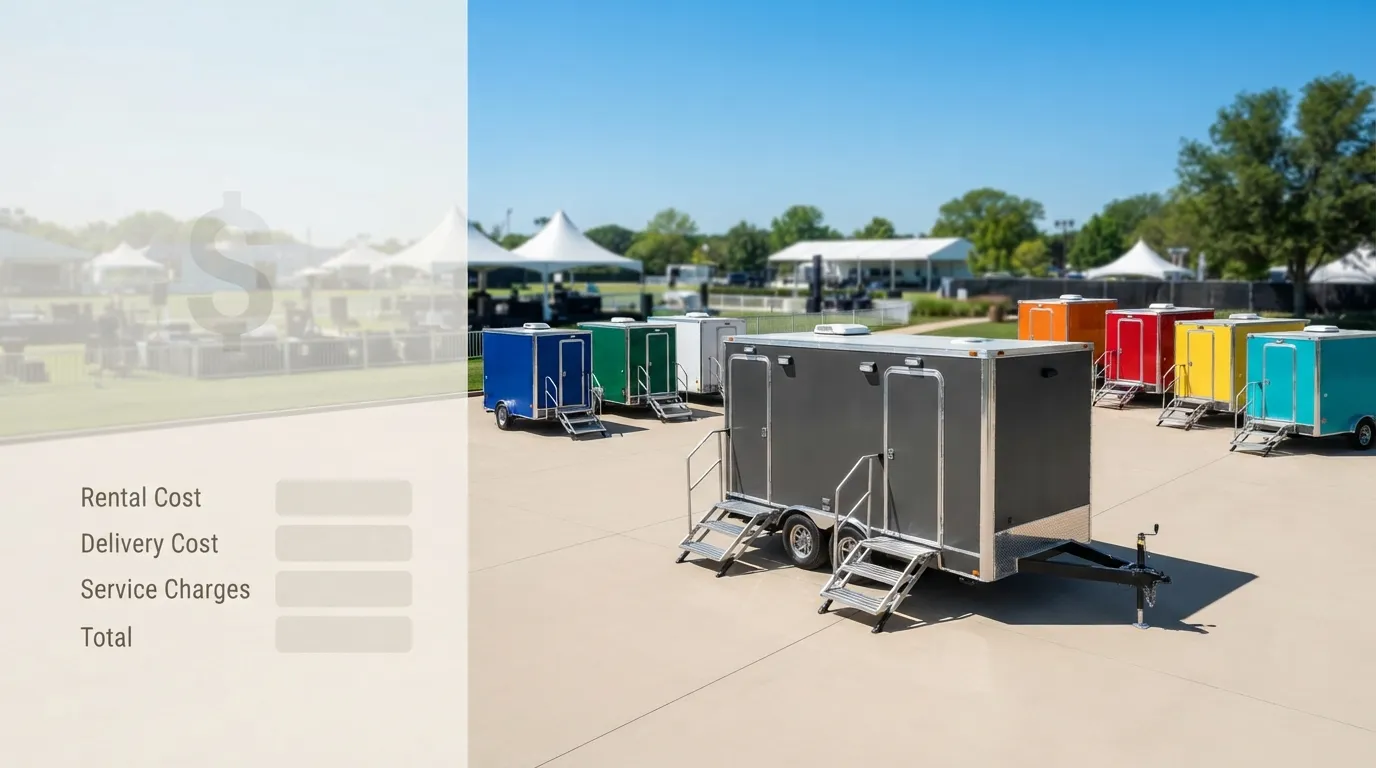
Close to the work, close to the restrooms, and on stable ground. ADA Standards section 302.1 requires a stable, firm, slip-resistant surface, which rules out loose gravel or soft turf for any accessible unit. Keep a 36 inch clear route per section 403.5.1 leading to the station, and if it sits near a ramp, section 405.2 caps the running slope at 1:12. On active construction sites, OSHA 1926.25 requires clearing debris from work areas, so stations placed near a materials chute or dumpster path need a clean approach. That matters if you have a roll-off dumpster rental or construction dumpster rental on site too, since both draw foot traffic. For events in Cheyenne, placement usually follows the same logic as event restroom rental planning: stations near food service, near the restroom bank, and out of the main pedestrian flow. Confirm any placement in a public right of way with the city before delivery, since that rule was not verified for this page. See the porta potty placement guide for more on siting.
Do handwashing stations need to be ADA accessible?
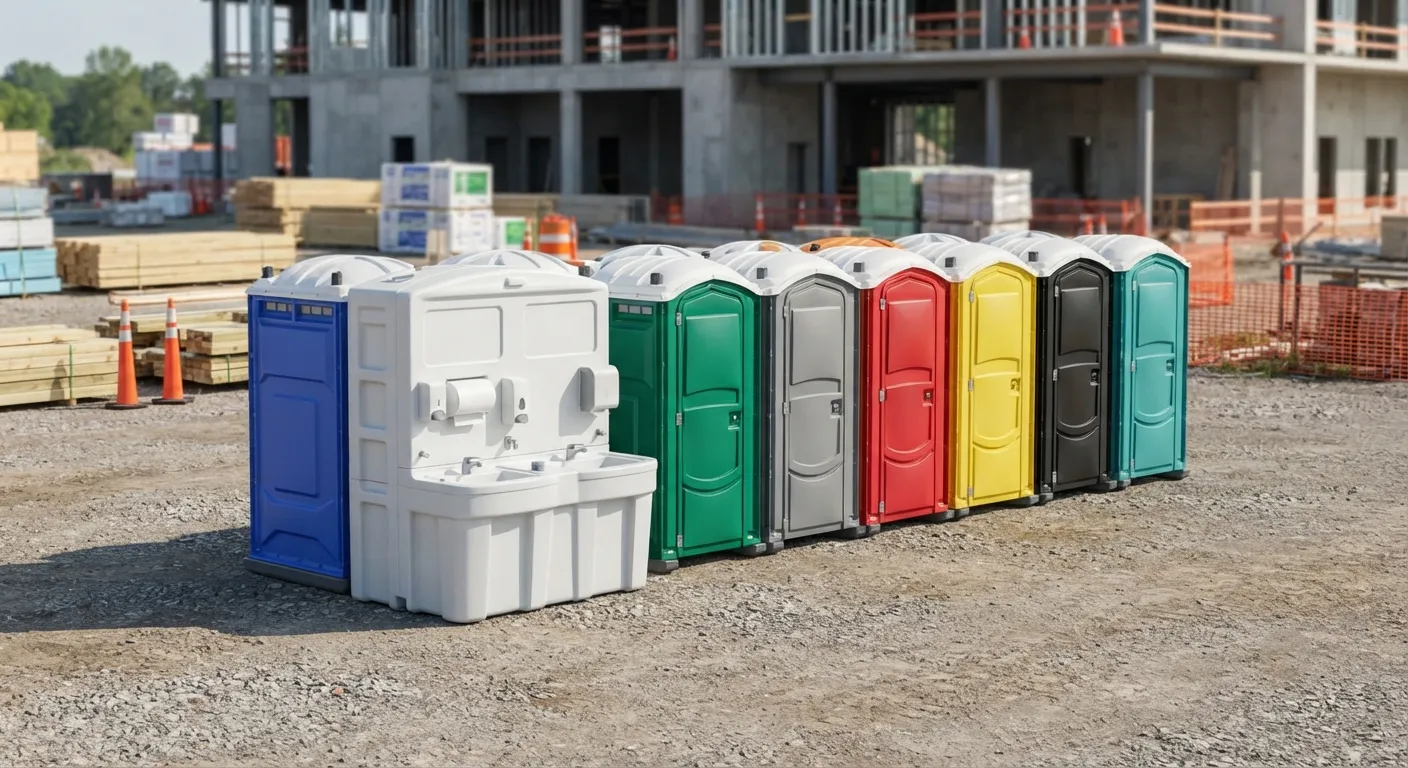
Yes, at least some of them, if your site clusters portable units. ADA Standards section 213.2 requires that where single-user portable toilet units are grouped, at least 5 percent, and never fewer than one, must be accessible, and the same logic guides accessible handwashing placement alongside them. An accessible unit needs a 32 inch clear door opening under section 404.2.3 and a 60 inch turning circle under section 304.3.1. Cheyenne job sites and public events both fall under this expectation once units are clustered rather than standing alone. For a full walkthrough, check ADA restroom requirements or pair your order with an ADA accessible porta potty unit from the start, since retrofitting a site midway through a project costs more time than ordering it right the first time. Cheyenne Porta Pros stocks accessible handwash units alongside the standard line for exactly this reason.
Frequently Asked Questions
Does hand sanitizer alone meet OSHA requirements?
No. 29 CFR 1910.141(d)(2) requires soap and towels or a hand-drying device at washing facilities; sanitizer does not substitute for that. A hand sanitizer station rental works well as an extra layer near entrances or food areas, but it cannot replace a proper handwashing setup on a Cheyenne job site or event.
How often do handwashing stations get serviced?
Weekly service is the baseline under ANSI/PSAI Z4.3 for units supporting up to 10 users over a 40 hour week. Busier Cheyenne sites, especially those running paint or coating crews under 1926.51(f)(1), often need more frequent refills of soap and water. Ask about a schedule when you book.
Can I rent just a handwashing station without restrooms?
Yes. Cheyenne Porta Pros rents portable sink rental units on their own for kitchens, food trucks, and farm operations that already have restrooms nearby. Pair it with a septic pumping service if you are running a longer-term setup with a holding tank.
What is the difference between a handwashing station and a hand sanitizer stand?
A handwashing station has running water, soap, and towels or a dryer, meeting 29 CFR 1910.141(d)(2). A sanitizer stand is gel or foam only, no water. Cheyenne sites use both together, sanitizer for quick contact points and full stations for real handwashing after site work.
Do I need a handwashing station for a small home renovation project?
Probably, if your crew is applying paint, stain or pesticide products. OSHA 1926.51(f)(1) applies specifically to those tasks. Pair a compact station with a home renovation porta potty order to keep the crew covered without paying for a full multi-unit setup.
Next step
Get a delivery date
Tell us the address, the dates and the headcount. We size the order and confirm the route.