
What Are the First Signs a Septic Tank Needs Pumping?
Slow drains in more than one fixture at once is the earliest tell. If just the kitchen sink is slow, that's probably a local clog. If the tub, the toilet and the washing machine all back up around the same time, the tank itself is full or close to it. Gurgling noises from drains, especially right after a flush, mean air is trapped because wastewater has nowhere to go, a pattern also outlined on septic tank cleaning. Cheyenne Porta Pros hears this one a lot from customers who waited a season too long. Standing water or unusually green, spongy grass over the drain field is another sign, and it often shows before anything backs up indoors. A sewage odor near the tank lid or in the yard, particularly after rain, points to a tank at or above capacity. None of these are emergencies on their own, but together they mean it's time to book service rather than wait, and the full list lives on septic tank warning signs. If your property runs a grease interceptor instead of a straight septic line, that has its own threshold: it needs grease trap pumping once fats, oils, grease and solids reach 25 percent of the liquid depth.
Why Is My Septic Tank Backing Up in Cheyenne?
A backup almost always means the tank is full, the drain field is saturated, or something solid is blocking the line between the house and the tank. Wyoming winters add a wrinkle: frozen ground can slow drainage in the field even when the tank itself has room, so a backup in January doesn't always mean the same thing as one in July. If you're on a property near Fox Farm-College, about 2.0 miles south of central Cheyenne, or out toward Ranchettes, 9.2 miles north, older systems and larger lots mean the drain field is often the first thing worth checking before assuming it's the tank. Tree roots are another common cause, especially on properties with mature landscaping near the tank or lines, which is one reason some sites lean on a holding tank rental while a field gets sorted out. If backups keep happening even after a pump-out, that usually means a field problem, not a tank problem, and it needs a different kind of inspection. Cheyenne Porta Pros can schedule a septic pumping service call to rule the tank out first, since that's the cheaper fix to test, and the same crew can quote a septic tank pumping cost estimate on the same visit.
Should I Pump My Septic Tank on a Schedule or Wait for Warning Signs?
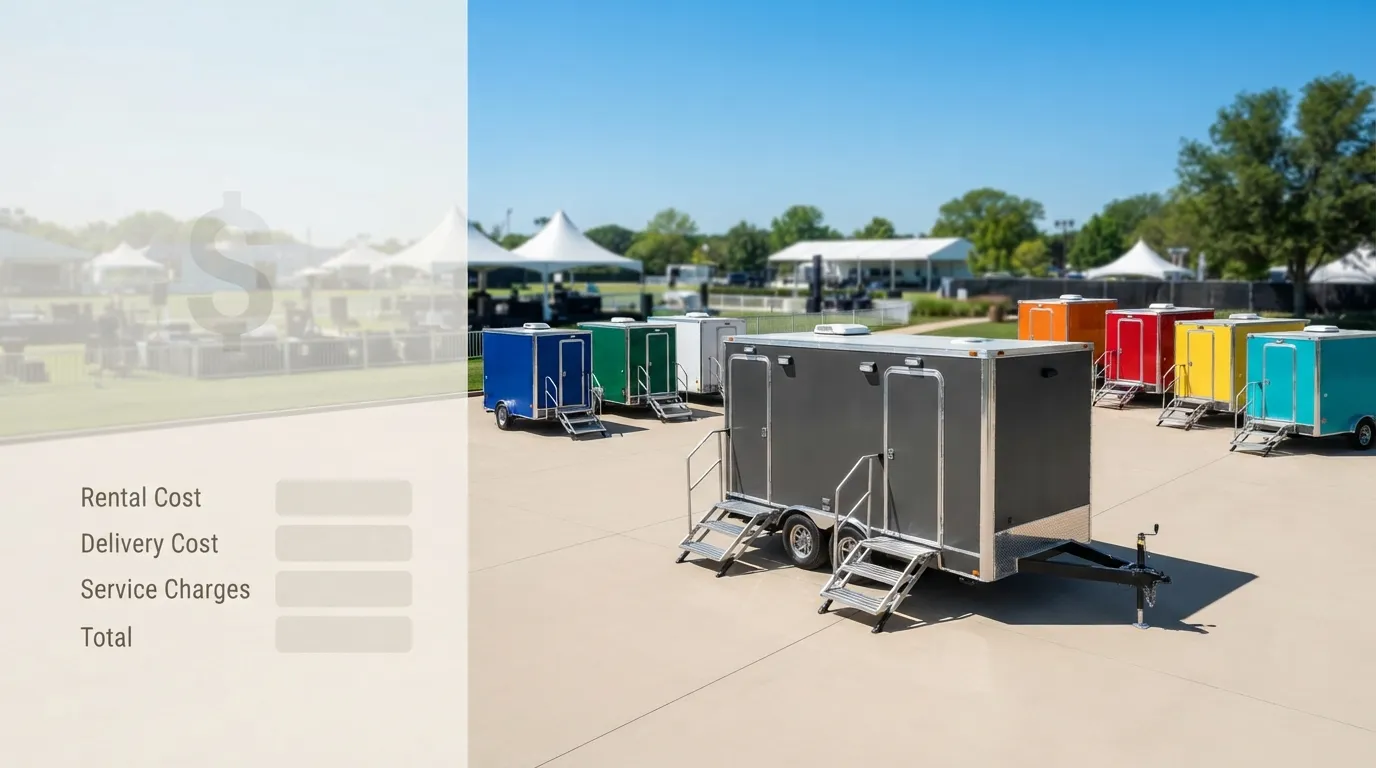
Waiting for warning signs costs more than scheduling ahead, because by the time you see them, solids may already be moving into the drain field where they're expensive to remove. The 3 to 5 year interval for a standard residential tank is a starting point, not a guarantee: household size, tank size and how much water a home uses all shift that number. A household of six on a 1,000 gallon tank fills faster than a couple on a 1,500 gallon tank, even in the same Cheyenne neighborhood. Restaurants and food service properties run on a different clock entirely, since grease interceptors fill based on use, not time, and need checking more often through grease trap pumping. For general reference, how often to pump a septic tank covers the variables in more depth. If you're not sure which side of the interval you're on, that uncertainty itself is a reason to call rather than guess, much like sorting out how many porta potties do i need before an event. Cheyenne Porta Pros can look at tank size, household count and last service date and give a straight answer instead of a generic rule, the same way pricing gets broken down on porta potty rental cost for other services.
When Is a Septic Problem an Emergency in Cheyenne?
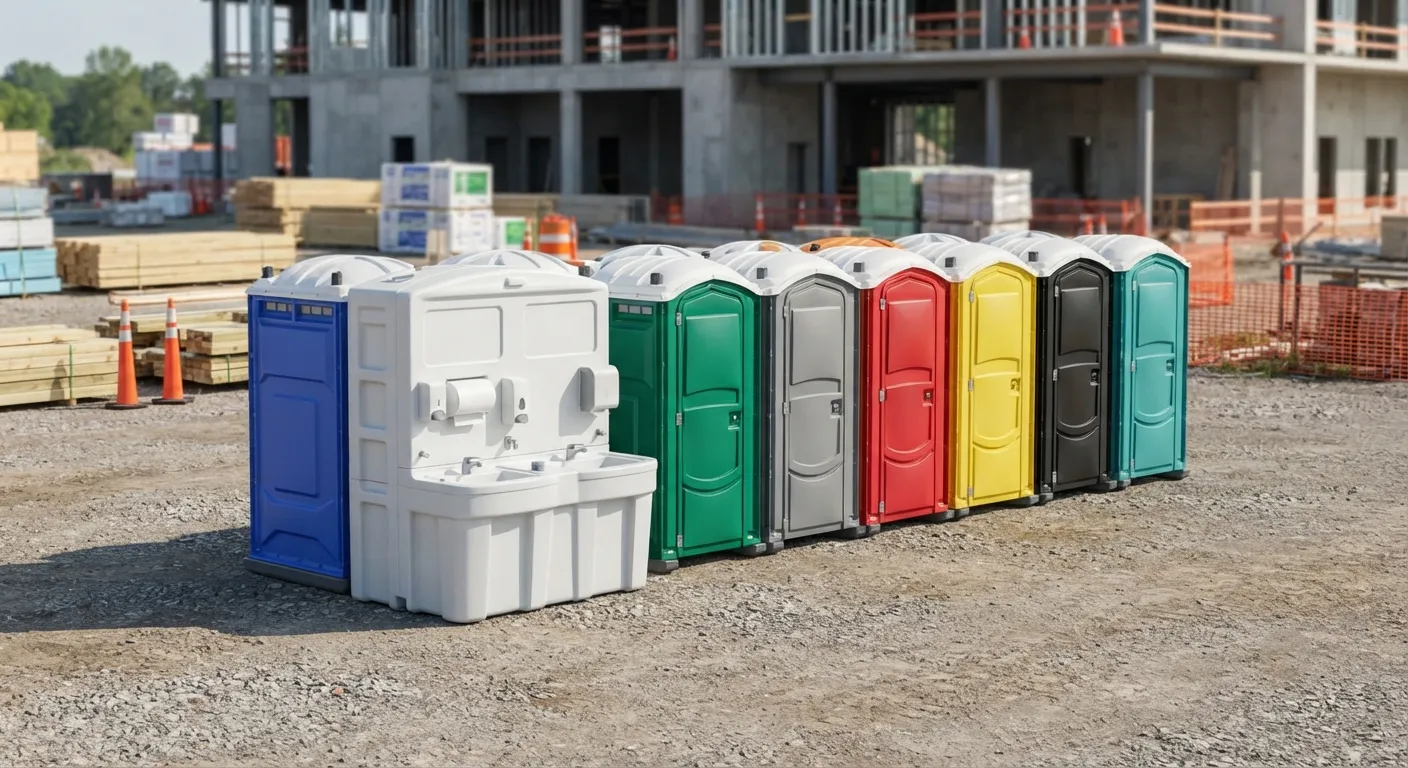
Sewage backing up into the house, standing wastewater pooling in the yard, or a tank alarm going off are the three situations that can't wait for a normal appointment. A backup indoors is a health issue the moment it happens, not just an inconvenience, and it needs same-day attention, similar in urgency to an emergency porta potty rental request on a jobsite. Standing wastewater outdoors is a hazard for kids, pets and anyone walking the property, and it can also mean the drain field has failed rather than just the tank being full. If you're dealing with any of these, emergency septic service is the faster path than a routine pumping appointment. Properties further out, like those 21.9 miles east toward Hillsdale or 5.0 miles west near Warren AFB, should factor in drive time when something goes wrong on a weekend. While the septic side gets sorted, a property hosting workers or guests on-site sometimes needs a stopgap: a holding tank rental, a portable toilet rental, a portable restroom rental or even a restroom trailer rental keeps a jobsite or event running without waiting on the fix.
| service | duration | typical price |
|---|---|---|
| septic pumping | day | $250 |
| septic pumping | weekend | $100 |
How do I know if it's the tank or the drain field?
If pumping fixes the backup but it returns within weeks, the drain field is the likely cause, not the tank. A tank problem usually resolves cleanly after service. A field problem needs a different inspection, often involving digging to check saturation and root intrusion.
Can tree roots really damage a septic system?
Yes. Roots grow toward moisture and can crack pipes or invade tank seams over time. Mature trees near a tank or lateral lines are a common cause of recurring backups, especially on older Cheyenne properties with established landscaping.
Does a bad smell always mean the tank is full?
Not always, but it's the most common cause. A sewage smell can also mean a dry trap, a vent issue or a cracked line. If it persists after pumping, the problem is likely elsewhere in the system.
How often should a septic tank actually get pumped?
Every 3 to 5 years for most residential tanks, though household size and tank size shift that window. A larger household on a smaller tank should lean toward the 3-year end rather than the 5.
What should I do if my septic system backs up right now?
Stop using water in the house immediately and call for emergency septic service. Avoid flushing anything else until a technician arrives, since more water going in makes the backup worse and can push it further into the house, and check porta potty rental in Cheyenne if the household needs a working toilet in the meantime.
Next step
Get a delivery date
Tell us the address, the dates and the headcount. We size the order and confirm the route.