What items are banned from roll-off dumpsters?
The short list: paints and solvents, motor oil and other automotive fluids, car batteries, tires, propane tanks, refrigerators and air conditioners with refrigerant still in them, asbestos siding or insulation, and anything that counts as medical waste. Add to that any container that once held herbicides or insecticides, since residue on those containers falls under contaminant handling that OSHA addresses in 1926.51(f)(1) for washing after exposure to paints, coatings, herbicides or insecticides. Freon-holding appliances need separate handling because of the refrigerant, not because of the metal. Cheyenne Porta Pros flags these items during the quote call, before a roll-off dumpster rental ever leaves the yard, because a landfill rejection on delivery day costs everyone time. If you are working through a renovation and are not sure what your load contains, the home renovation porta potty crews we work alongside can flag suspect material on-site too. Electronics with lithium batteries are a growing rejection reason across Wyoming, since a punctured battery in a compactor truck can start a fire. If your project also needs sanitation on site, check porta john rental or portable toilet rental for what pairs with a dumpster delivery.
Why does it matter what goes in the dumpster?
Because a contaminated load stops the truck, not just the box. Landfills inspect incoming loads, and if they find batteries, tires or hazardous chemicals mixed into construction debris, the whole load can get turned away or charged a contamination fee that lands back on the renter. This is separate from dumpster weight limits, which are about tonnage, not material type; you can be under weight and still get flagged for banned contents. For active job sites in Cheyenne, this overlaps with general housekeeping duties under OSHA 1926.25, which requires scrap and debris to be cleared from work areas regularly, and with OSHA 1926.252 governing how waste gets disposed of, including chutes and enclosures on multi-story work. Keeping banned material out of the dumpster is part of keeping the site itself compliant, not just the disposal company happy, and it ties into broader OSHA portable toilet requirements that active job sites already have to track. Check the dumpster sizes and dimensions page if you are trying to figure out whether a 10-yard or a 20-yard box fits your actual debris volume once the banned items are pulled out.
Where do banned items actually go instead?
Tires usually go back to a tire retailer or a dedicated recycler. Motor oil and antifreeze go to auto parts stores that take used fluids. Paint, solvents and anything labeled flammable need a household hazardous waste drop-off, not a dumpster, regardless of whether the paint job happened at a home 2.0 miles south in porta potty rental in Fox Farm-College or right in Cheyenne proper. Appliances with refrigerant need a certified technician to reclaim the Freon before the shell can be scrapped. Car batteries and other lead-acid batteries go back to most auto parts retailers, often for a small credit. If you are clearing out a septic system as part of the same cleanup, that is a separate service entirely; see septic pumping service or how often to pump a septic tank for that side of the job, since tank waste never belongs in a roll-off regardless of size. For job sites running dumpsters alongside portable toilets, our construction site services page covers how the two rentals get scheduled together, and the porta potty rental checklist is worth a look before delivery day.
Do dumpster rules change for construction sites?
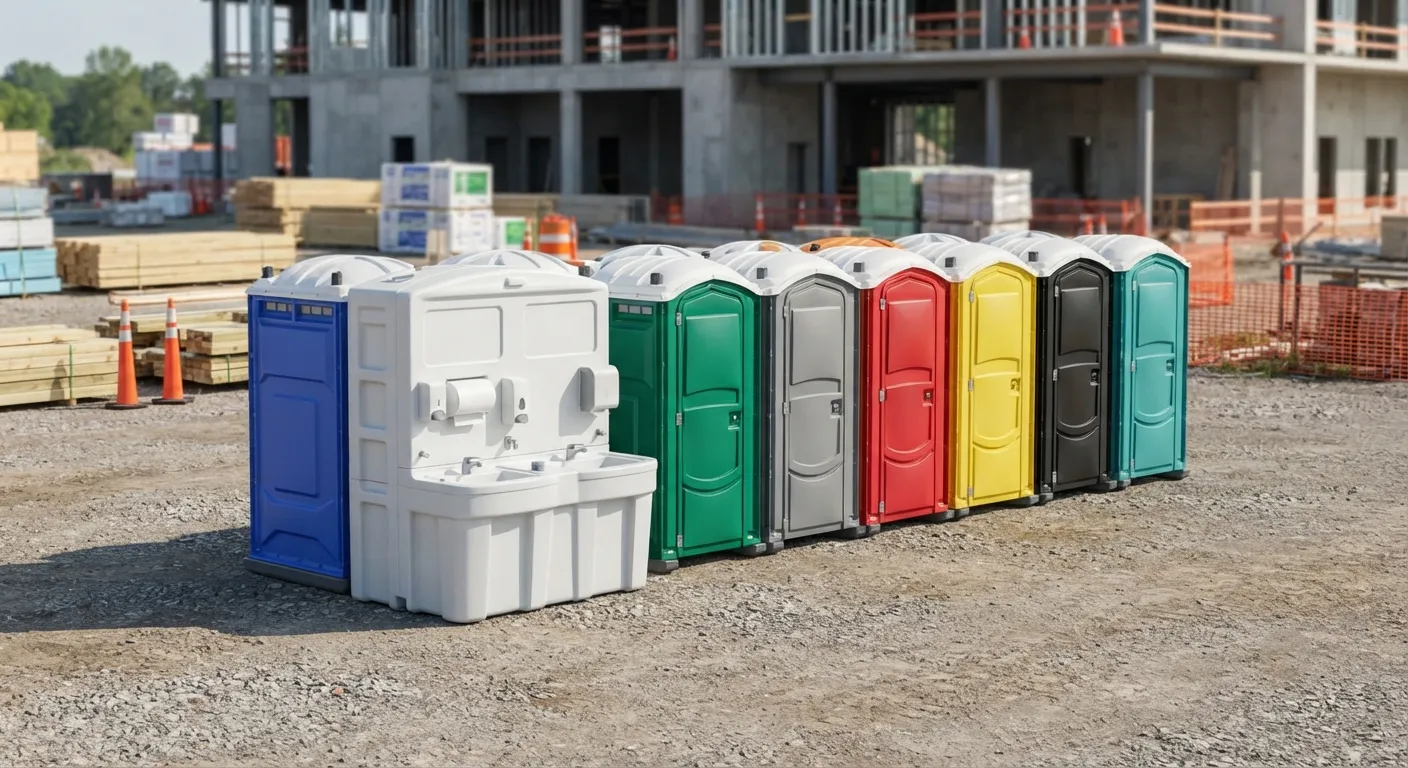
Yes, mostly around volume and category, not around what is banned. A construction crew working a teardown in porta potty rental in South Greeley, 3.6 miles south of Cheyenne, generates different debris than a homeowner clearing a garage, but the same banned list applies to both. What changes is the frequency and size of dumpster you need, covered in more detail on construction dumpster rental and dumpster permit requirements if the box sits in a right-of-way or driveway apron. Job sites also carry sanitation obligations that have nothing to do with the dumpster directly: OSHA 1926.51(c)(1) sets toilet counts, requiring 1 facility for 20 workers or fewer, scaling up from there, and OSHA 1926.51(a)(1) requires an adequate supply of potable water at every place of employment. Crews juggling a 30 yard dumpster rental or a 40 yard dumpster rental alongside restroom needs often pair that with a standard porta potty rental for the same site, and Cheyenne Porta Pros delivers both from one call, including out to porta potty rental in Warren AFB 5.0 miles west or porta potty rental in Ranchettes 9.2 miles north. Full pricing details live on the dumpster rental cost page, and general porta potty rental cost is broken out separately if you need both quotes at once.
Frequently Asked Questions
Can I put a mattress in a roll-off dumpster?
Usually yes, though some facilities charge extra or require it bagged. It is not on the hazardous list like paint or batteries, but check with your hauler first since local landfill rules vary by site and this differs from the truly banned items above.
What happens if a banned item gets found in my dumpster?
The load can be rejected or charged a contamination fee at the landfill, which Cheyenne Porta Pros will pass along since it comes directly from the disposal site. Pulling banned items before pickup avoids this entirely.
Can construction debris and household trash go in the same dumpster?
Generally yes, both are accepted together in a standard roll-off. The banned list, paints, batteries, tires, refrigerant units, applies regardless of whether the source is a renovation or a garage cleanout.
Does yard waste count as banned material?
No, yard waste is typically fine in a roll-off, though some Cheyenne haulers separate it for composting. Ask when you book if you are filling the box mostly with branches and clippings.
What about paint cans that are empty and fully dried out?
Fully dried, empty paint cans are usually acceptable since the hazard is the liquid paint itself. If there is still wet paint inside, it needs a hazardous waste drop-off instead, same as full cans.
Next step
Get a delivery date
Tell us the address, the dates and the headcount. We size the order and confirm the route.