
How Often Does A Septic Tank Need Cleaning?
Three to five years is the range most Cheyenne homeowners fall into, and household size drives most of the variation. A family of five fills a tank faster than a retired couple. Tank size matters too. If yours is undersized for the house, you will land on the short end of that window. We see this a lot on properties near South Greeley, where older homes sometimes have smaller original tanks paired with larger modern water use. If you are unsure what you are dealing with, our septic pumping service page walks through what a service visit covers. For a broader look at cost ranges, check septic tank pumping cost before you call around. Anyone renovating a bathroom or adding a laundry hookup should also read septic tank cleaning since added fixtures change your usage math. If your place ever floods with visitors for an event, pair a pump-out with a portable toilet rental or two so the tank does not take the hit alone.
What Speeds Up Or Slows Down Septic Tank Cleaning Frequency?
Household size, tank size, and what goes down the drain all move that 3 to 5 year window. Garbage disposals add solids fast. So does running a business out of the home with extra bathroom traffic. On the commercial side, a grease interceptor works on a completely different schedule: it needs pumping once fats, oils, grease and solids reach 25 percent of the liquid depth, which can happen in weeks, not years. If you run a kitchen anywhere between Cheyenne and Fox Farm-College, 2.0 miles south, that is worth tracking closely, and our grease trap pumping page covers the difference in more detail. Renovation projects also load extra strain on a home system. If you are mid-remodel, a home renovation porta potty keeps crew traffic off the household plumbing entirely, and a holding tank rental can bridge a system that is offline for repair.
When Should I Call For Emergency Septic Service?
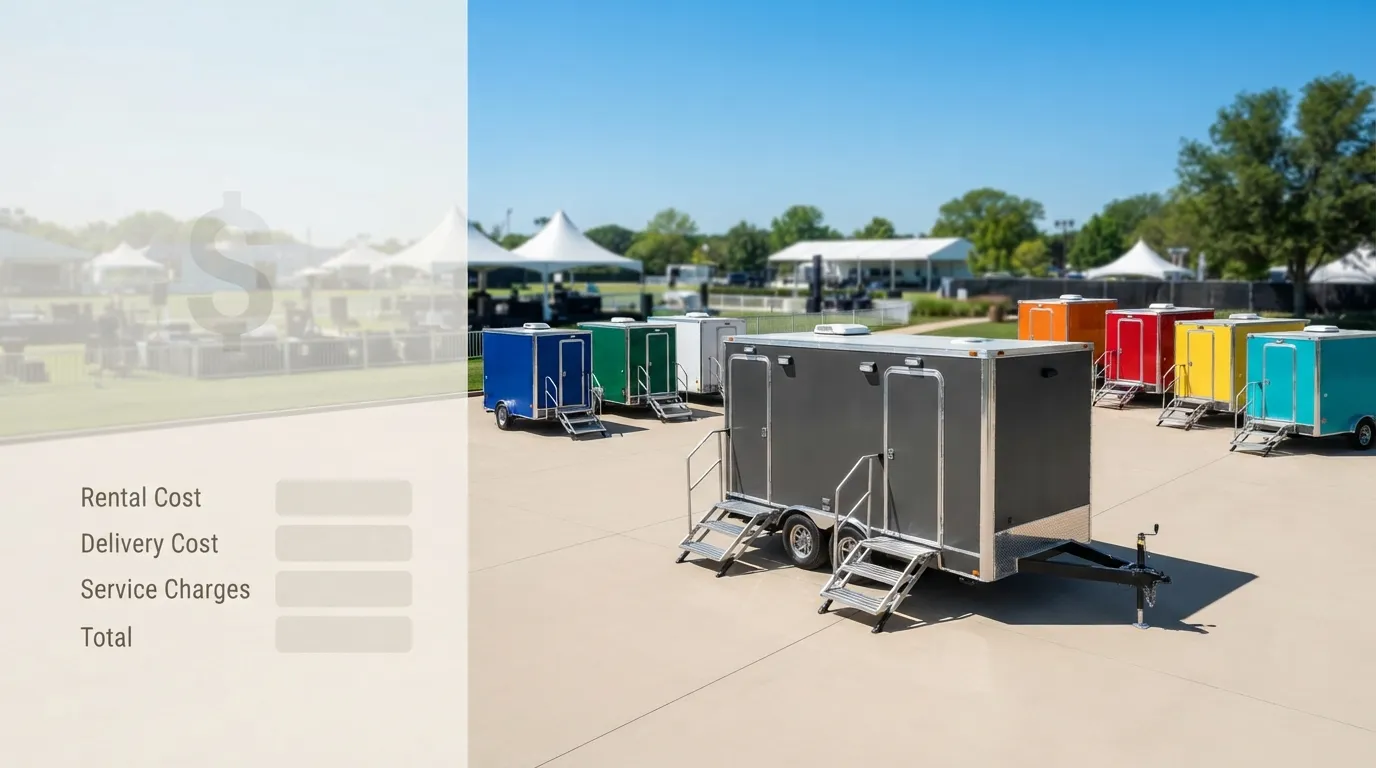
Call the moment you see slow drains, gurgling, or standing water near the tank. Waiting even a day can turn a routine pump-out into a bigger repair. Warning signs are worth learning before they show up, and our septic tank warning signs page lists what to watch for. If a system fails outright, emergency septic service gets someone out fast, and in the meantime a rented unit keeps a household or job site functioning. This matters on rural properties too. Farms and ranches around Ranchettes, 9.2 miles north, often run field labor crews, and OSHA 1928.110 requires potable water, toilets and handwashing for hand-labor employees at one facility per 20 workers, reachable within a quarter mile walk. Our farm and agricultural restrooms page covers that setup, and handwashing station rental fills the water requirement under 29 CFR 1910.141(d)(2), which calls for soap and towels or a hand drying device, not sanitizer alone.
Do Construction Sites In Cheyenne Need Their Own Sanitation Plan?
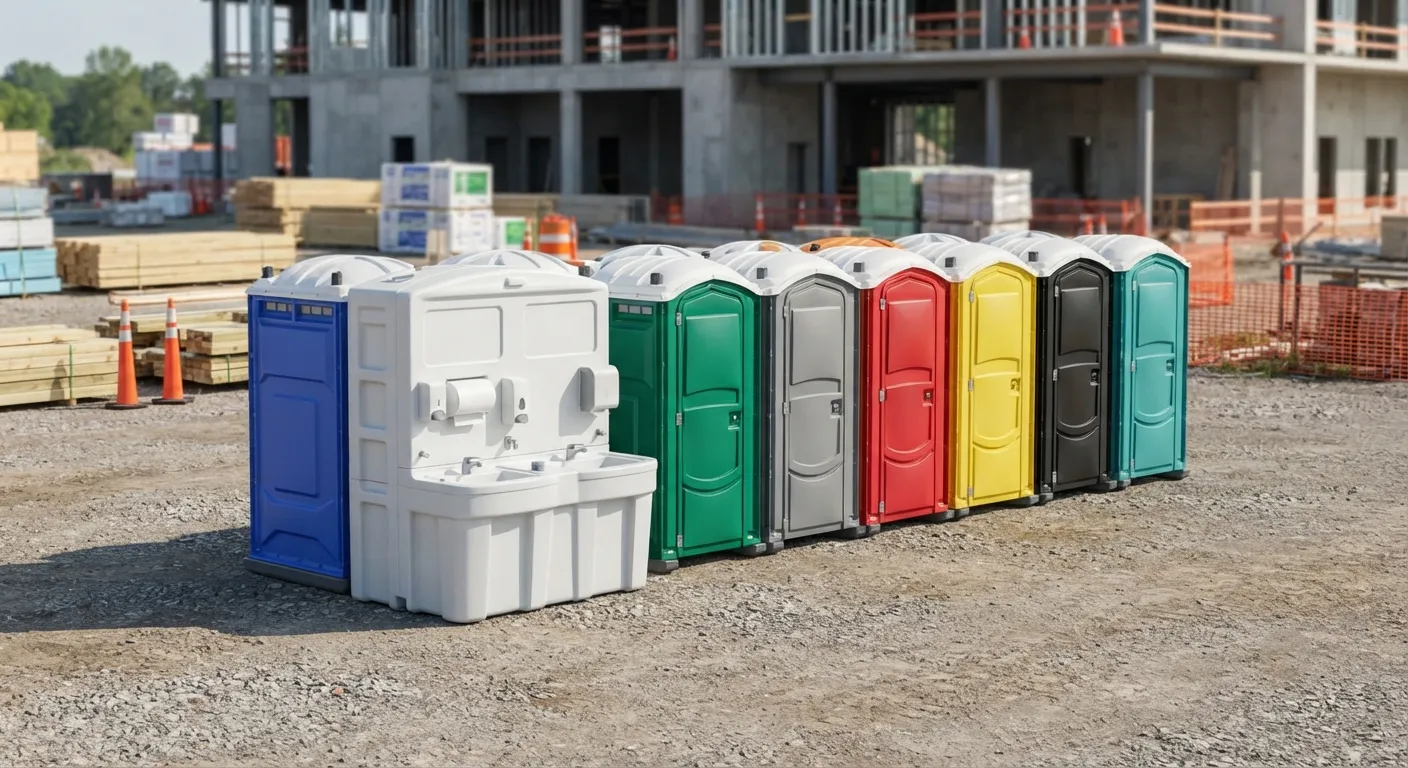
Yes. A septic tank on-site is not the same thing as jobsite sanitation, and OSHA 1926.51(c)(1) sets toilet counts by crew size: one facility for 20 workers or fewer, then additional fixtures as headcount climbs past 20 and again past 200. Most contractors handle this with rented units rather than routing crews through a house system. Our construction site services page lays out a full setup, and how many porta potties do i need walks through the math by crew size. If you are near Warren AFB, 5.0 miles west, or working a site out toward Hillsdale, 21.9 miles east, delivery logistics are worth planning early since roll-off and restroom deliveries both need clearance to get in. Pair that with a roll-off dumpster rental for debris and you have covered the two things every inspector checks first. Standard unit pricing runs from the table below.
| unit | duration | typical price |
|---|---|---|
| standard porta potty | day | $150 |
| standard porta potty | week | $200 |
| standard porta potty | month | $200 |
| septic pump-out | day | $250 |
Cheyenne Porta Pros handles both sides of this: septic pumping for the tank itself and rental units to keep crews or guests from overloading it in the first place. Whether it is a home on a 3 to 5 year cycle or a jobsite running OSHA-driven toilet counts, the two services solve different problems that tend to show up together.
How much does septic tank pumping cost in Cheyenne?
Pricing depends on tank size, access, and how long it has been since the last service. A standard pump-out visit typically falls in the $150 to $300 range. See septic tank pumping cost for a fuller breakdown by scenario.
Can I extend the time between septic pumpings?
Yes, somewhat. Cutting garbage disposal use, spacing out laundry loads, and avoiding wipes down the toilet all reduce solids buildup. It will not turn a 3 year system into a 5 year one, but it helps at the margins.
What happens if I skip a pumping for too long?
Solids build past the point the tank can hold them, and they back up into the drain field or the house. That repair costs far more than a pump-out. Watch for the signs on septic tank warning signs.
Do rental properties in Cheyenne need more frequent pumping?
Often yes, since occupancy and usage patterns are less predictable than in an owner-occupied home. Landlords should track pump dates rather than guess, especially with tenant turnover adding unknowns to actual household size.
Is a grease trap on the same schedule as a septic tank?
No. Grease interceptors are checked far more often, since they fill based on kitchen volume, not household size, and are due once fats, oils, grease and solids hit 25 percent of liquid depth. See grease trap pumping for a schedule that fits.
Next step
Get a delivery date
Tell us the address, the dates and the headcount. We size the order and confirm the route.